Choosing between a condo and a single-family home in Palm Beach is not just about price. It is about how you want to live, how much control you want over the property, and how comfortable you are with the costs and paperwork that come with each option. If you are weighing convenience against privacy, or amenities against autonomy, this guide will help you compare the tradeoffs clearly and confidently. Let’s dive in.
Palm Beach Market Snapshot
In Palm Beach County, condos and single-family homes are moving in the same market, but they are behaving differently. That matters because your decision affects not only your lifestyle today, but also your financing, carrying costs, and resale strategy later.
Countywide 2025 MLS data shows a median sale price of $630,000 for single-family homes, compared with $310,345 for condos and townhomes. Inventory also differs quite a bit, with 5,370 active single-family listings and 4.6 months of supply, versus 6,925 active condo listings and 8.5 months of supply.
That gap shows up in timing and negotiating power too. In June 2025, single-family homes took a median 42 days to contract and 88 days to sell, while condos took 61 days to contract and 100 days to sell. Single-family homes also captured a higher share of original list price at 93.7%, compared with 90.0% for condos.
Nearby markets reflect the same broad pattern. In Boca Raton, the 2025 median price was $1,137,500 for single-family homes versus $570,000 for condos. In West Palm Beach, it was $605,000 for single-family homes and $325,000 for condos.
Condos vs Homes at a Glance
At a high level, condos often appeal to buyers who want a more streamlined ownership experience. Single-family homes usually appeal to buyers who want more privacy, land, and control over decisions.
Here is the simplest way to frame the choice:
| Property Type | Often Best For | Main Tradeoff |
|---|---|---|
| Condo | Buyers who want convenience, amenities, and lower hands-on maintenance | More shared governance, dues, and project-level review |
| Single-family home | Buyers who want privacy, space, and direct control | More owner responsibility for upkeep and repairs |
Neither option is automatically better. The right fit depends on how you plan to use the property, how often you will be in Palm Beach, and how much complexity you want in your monthly ownership experience.
Condo Living in Palm Beach
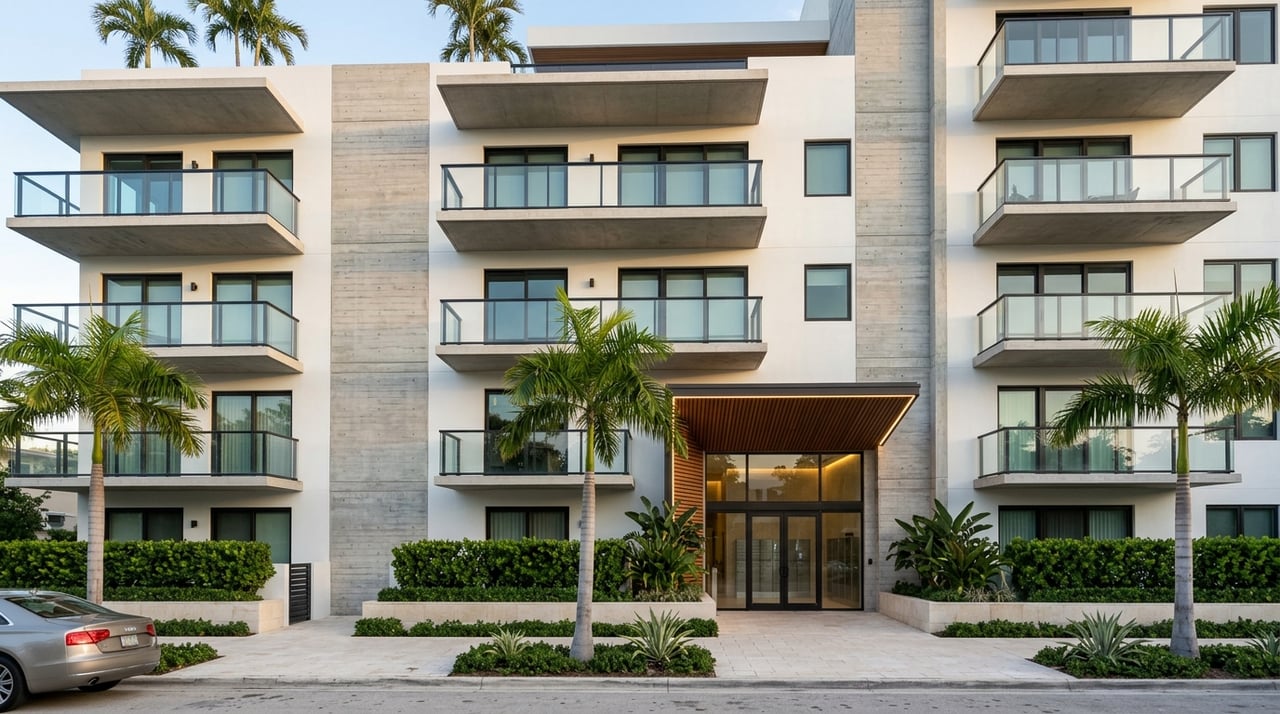
Condo ownership in Florida is built around shared governance. Under Florida law, maintenance of the common elements is the responsibility of the association, and the association must provide for the maintenance, repair, and replacement it is responsible for under the declaration.
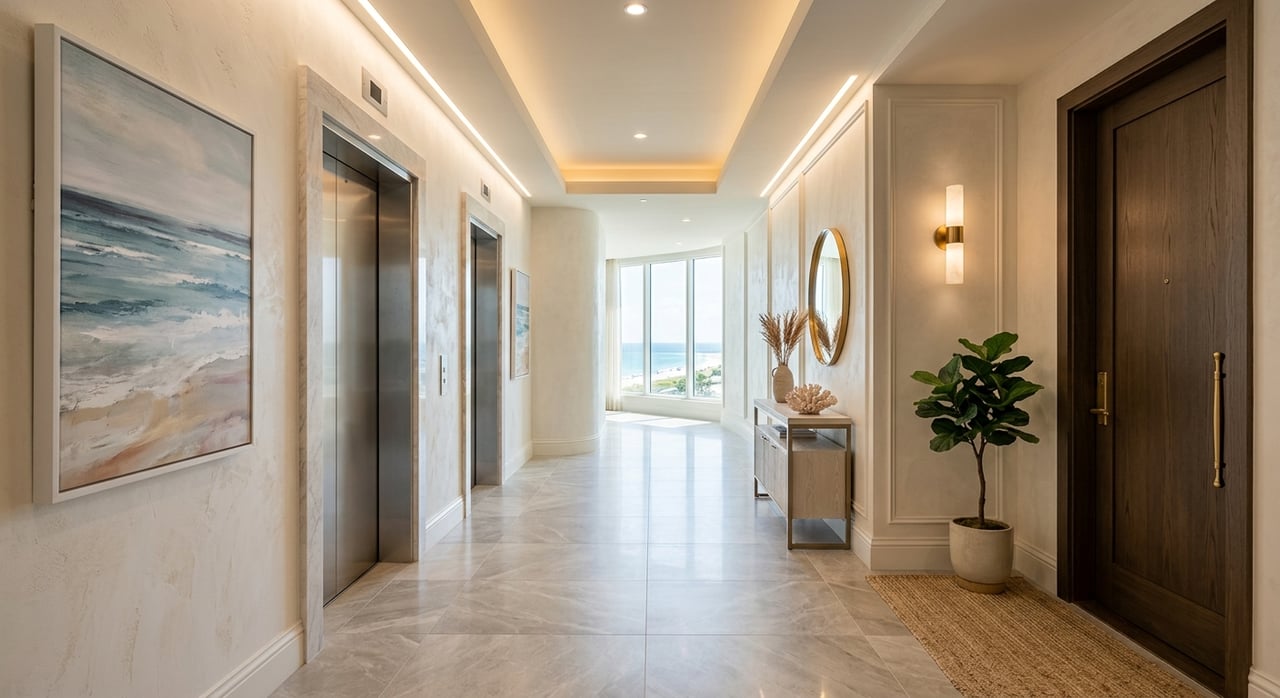
For many Palm Beach buyers, that structure is a major advantage. If you want a lock-and-leave lifestyle, predictable building management, and access to shared amenities, a condo can feel easier to own, especially if you split time between residences or travel often.
That said, lower-touch ownership does not mean lower oversight. In today’s Florida condo environment, buyers need to look carefully at the association’s financial health, maintenance planning, and required records before moving forward.
What condo buyers should expect
When you buy a condo, you are not just buying a unit. You are also stepping into a building or community with its own budget, reserves, rules, and capital needs.
That means your review should include:
- Association budget
- Reserve funding
- Recent or planned special assessments
- Building maintenance history
- Required inspection and reserve documents
- Insurance setup at the association and unit-owner level
If you like simplicity in day-to-day living, a condo may still be the right answer. You just want to make sure the project itself supports that convenience instead of creating surprises later.
Single-Family Ownership in Palm Beach
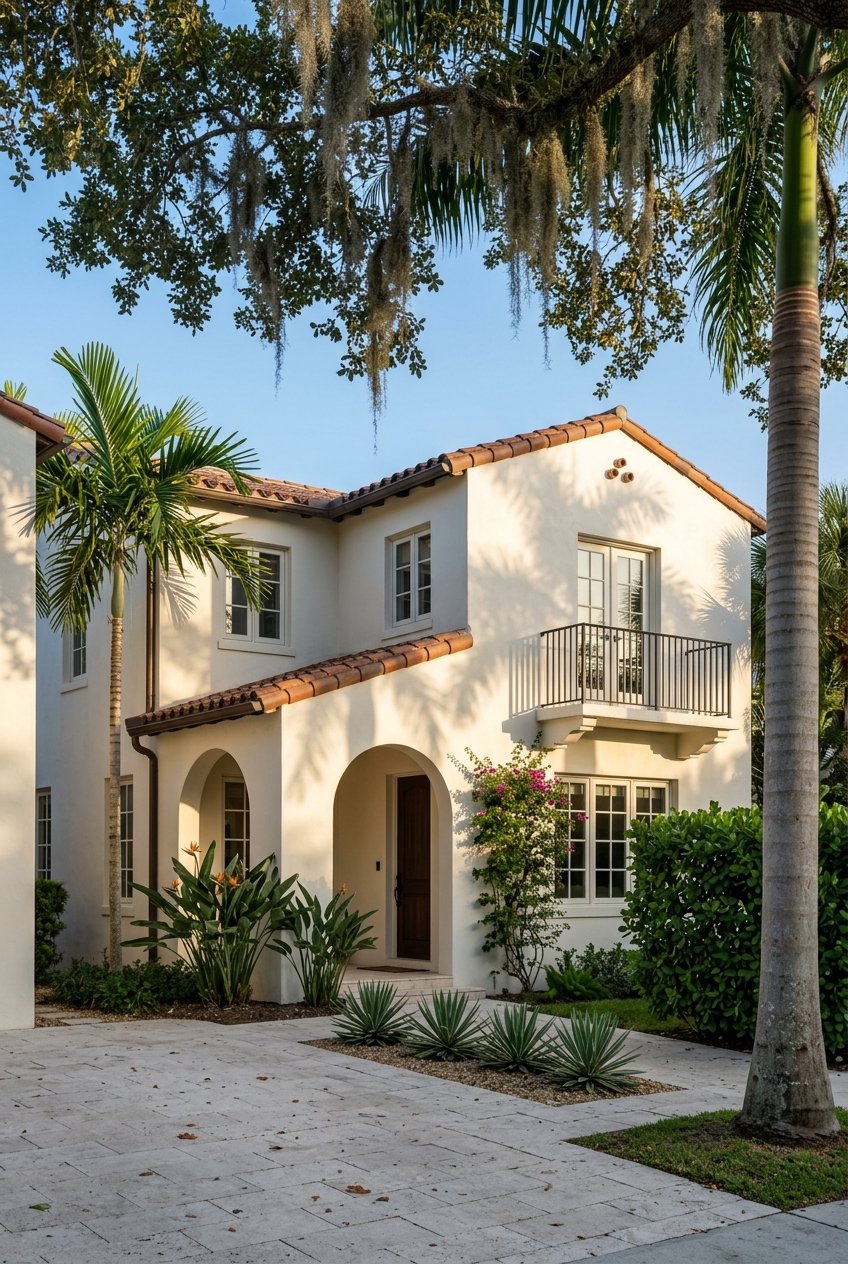
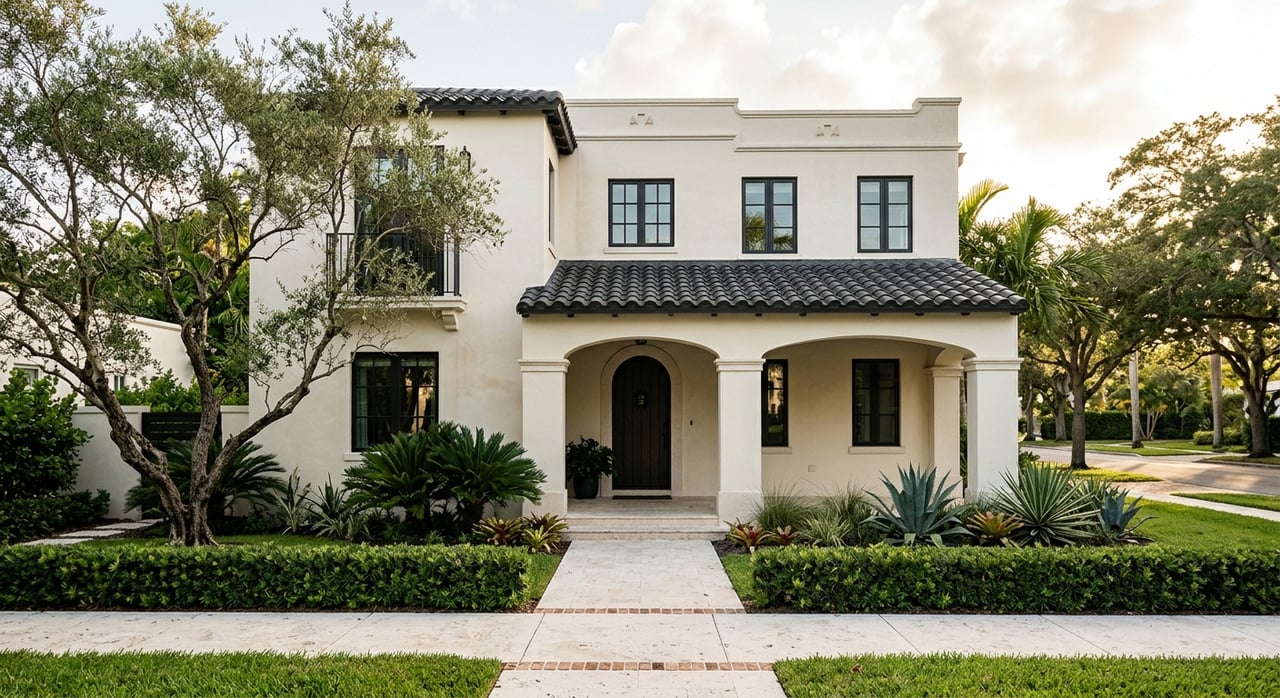
A single-family home usually gives you more direct control over the property. You typically have more say over maintenance timing, improvements, and how the home functions for your lifestyle.
That added control can be especially valuable if you want outdoor space, room for guests, storage, or privacy from neighboring units. It can also be a better fit if you are looking for long-term flexibility in how you use the property.
The tradeoff is simple: more autonomy usually means more responsibility. Instead of relying on an association to manage major exterior or common-area issues, you are usually handling more of the maintenance decisions and costs yourself.
Why some buyers prefer a house
A single-family home may be the stronger choice if you value:
- Privacy
- Land or yard space
- Fewer shared walls
- More control over upkeep and improvements
- Less project-level review during financing and resale
For many Palm Beach County buyers, especially those shopping higher-value suburban or estate properties, that control is part of the appeal. The property becomes more customizable, but also more hands-on.
Compare Monthly Ownership Costs
Purchase price is only part of the story. Your real monthly cost depends on what you will pay after closing, and that is where condos and houses can look more different than buyers expect.
For condos, dues are a key part of the carrying cost. HOA or condo fees are usually separate from the mortgage payment and can range from a few hundred dollars to more than $1,000 per month.
Those fees should never be treated as background noise. In Palm Beach, you want to evaluate them alongside the association budget, reserve strength, and any recent or planned assessments.
With a single-family home, you may not have condo dues, but you are often absorbing more maintenance directly. Roof work, exterior repairs, landscaping, and systems replacement are usually your responsibility unless the property is in a community with an HOA that covers specific items.
Cost categories to compare
Before choosing a property type, compare these line items side by side:
- Mortgage payment
- Property taxes
- Condo or HOA dues
- Insurance costs
- Expected maintenance and repairs
- Possible special assessments for condos
- Flood insurance needs for either property type
A condo can have a lower purchase price and still feel more expensive month to month if fees are high. A single-family home can have no condo dues and still require a bigger cash cushion for upkeep.
Insurance Works Differently
Insurance is another area where condos and single-family homes differ in important ways. In Florida, understanding the coverage structure matters because the building and weather risks are not handled the same way.
According to Florida’s Chief Financial Officer guidance, a condo owner typically carries an HO-6 policy. That policy covers personal property, certain building items inside the unit that are not insured by the association’s master policy, and personal liability. Condo unit owners also need at least $2,000 of loss-assessment coverage.
For a single-family home, a typical homeowner policy is usually an HO-3. That generally covers the dwelling, other structures, personal property, loss of use, and liability.
One point applies to both property types in coastal Palm Beach. Standard homeowners insurance usually does not cover flood damage, so flood insurance is a separate consideration whether you buy a condo or a house.
Property Taxes in Palm Beach
Property taxes in Palm Beach County are driven by value and millage, not simply by whether the property is a condo or a house. That means the tax bill depends more on taxable value than on the ownership format itself.
For reference, the Town of Palm Beach FY2026 rate is $2.61 per $1,000 of taxable value, and Palm Beach County’s total millage is 14.8690 mills. If the home is your primary residence, homestead exemption may reduce assessed value.
Timing matters here. The homestead filing deadline is March 1, and Florida’s Save Our Homes portability can transfer up to $500,000 of tax benefit to a new Florida homestead. Seasonal and second-home buyers usually do not qualify for those benefits because homestead is tied to permanent residence.
Condo Due Diligence Matters More
This is where the condo decision gets more serious. In Florida today, condo resale is more document-driven than single-family resale, especially in buildings that fall under current inspection and reserve requirements.
State rules require condo and co-op buildings three stories or higher to follow milestone inspection and structural reserve requirements. The Florida Department of Business and Professional Regulation says those reports are part of the association’s official records and must be provided to potential purchasers.
That means condo value is tied not just to the unit and location, but also to reserve strength, maintenance history, and capital planning. A beautiful unit in a weak project can become a financing or resale problem.
Financing can hinge on the project
Fannie Mae’s current project standards reinforce how important this is. Lenders must consider project budgets, reserve studies, litigation, insurance, special assessments, and critical repairs.
If a project has unresolved critical repairs or significant deferred maintenance, it may be ineligible for sale to Fannie Mae until those issues are corrected. Examples of critical repairs include water intrusion, balcony issues, foundation concerns, electrical systems, and parking structures.
This does not mean condos are a bad choice. It means you need disciplined review before you buy, especially in a market where building-level conditions can affect both financing and future resale.
Resale Potential: What the Data Says
If you are thinking long term, it helps to look beyond current inventory and ask how each property type has performed over time. The answer in Palm Beach County is more balanced than many buyers assume.
From May 2015 to May 2025, condo prices in Palm Beach County rose 118.6%. Over the same period, single-family home prices rose 116.9%.
So, condos have not lagged over the long run. The difference is that the current market gives condos more supply, longer marketing times, and more sensitivity to association health and financing eligibility.
For sellers, that means strategy matters. For buyers, it means the better condo purchase is often the one with stronger documents, healthier reserves, and fewer hidden project risks.
How To Choose the Right Fit
If your priority is convenience, amenities, and a lower-touch ownership model, a condo may be the better fit. If your priority is privacy, land, and direct control over the property, a single-family home may serve you better.
The hardest part of the condo decision is often not the lifestyle question. It is the project-level risk that can affect dues, assessments, insurance, financing, and resale later.
That is why a careful side-by-side review matters in Palm Beach. The right choice is usually the one that matches both your lifestyle and your tolerance for ongoing property management, monthly costs, and due diligence complexity.
In a market with clear differences between these property types, clear analysis matters. If you want a data-driven, detail-focused review of your options in Palm Beach, West Palm Beach, Delray Beach, or the surrounding county, Daniel Maya can help you compare the numbers, uncover the risks, and move forward with confidence.
FAQs
Should you buy a condo or single-family home in Palm Beach?
- You should choose based on your lifestyle, budget, and tolerance for maintenance and project-level review. Condos often fit buyers who want convenience and amenities, while single-family homes often fit buyers who want privacy and control.
Are condos cheaper than houses in Palm Beach County?
- Based on 2025 MLS data, condos and townhomes had a median sale price of $310,345, while single-family homes had a median sale price of $630,000. But you also need to factor in dues, insurance, and possible assessments.
Do Palm Beach condos take longer to sell than single-family homes?
- Yes. In June 2025, Palm Beach County condos took a median 61 days to contract and 100 days to sell, compared with 42 days to contract and 88 days to sell for single-family homes.
What documents should you review before buying a Palm Beach condo?
- You should review the association budget, reserve funding, special assessment history, maintenance records, and any required inspection or reserve study documents available to purchasers under Florida rules.
Are Palm Beach property taxes different for condos and houses?
- Property taxes are based on property value and millage rather than simply on whether the property is a condo or a house. Primary residents may qualify for homestead benefits if they meet Florida requirements.
Do Palm Beach condos and houses need flood insurance?
- Flood coverage is a separate consideration for both property types because standard homeowners insurance usually does not cover flood damage.