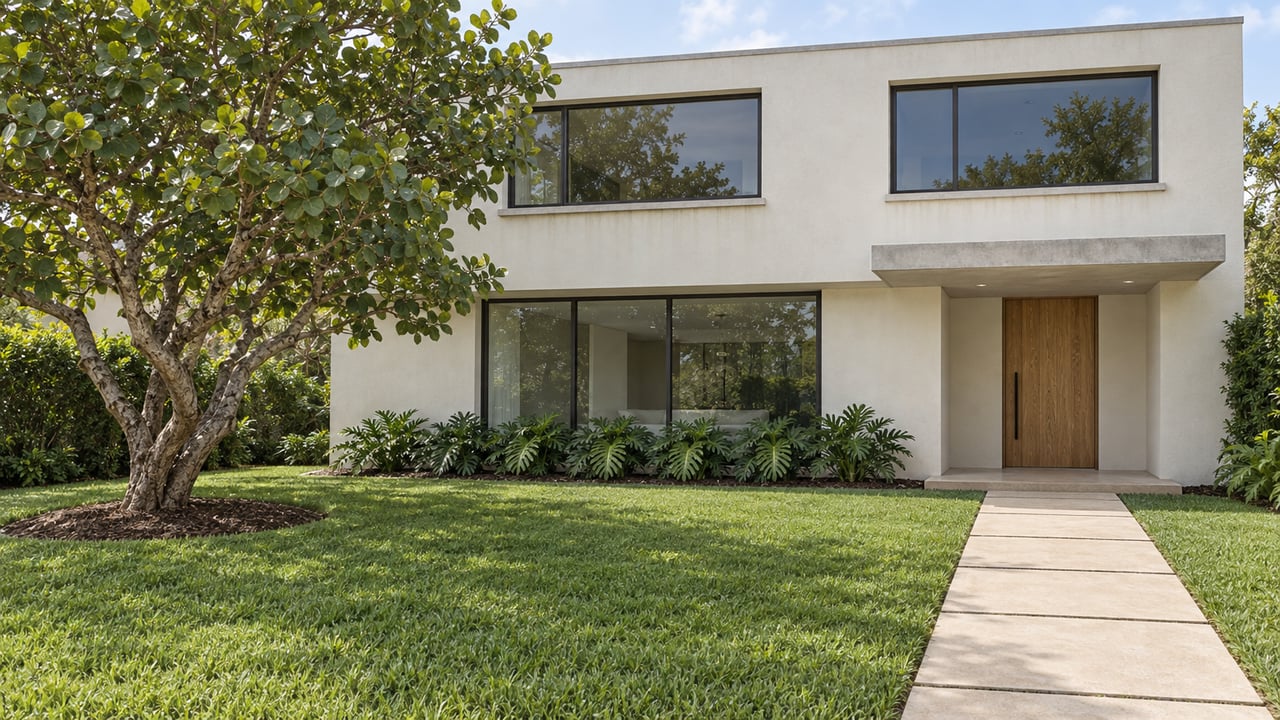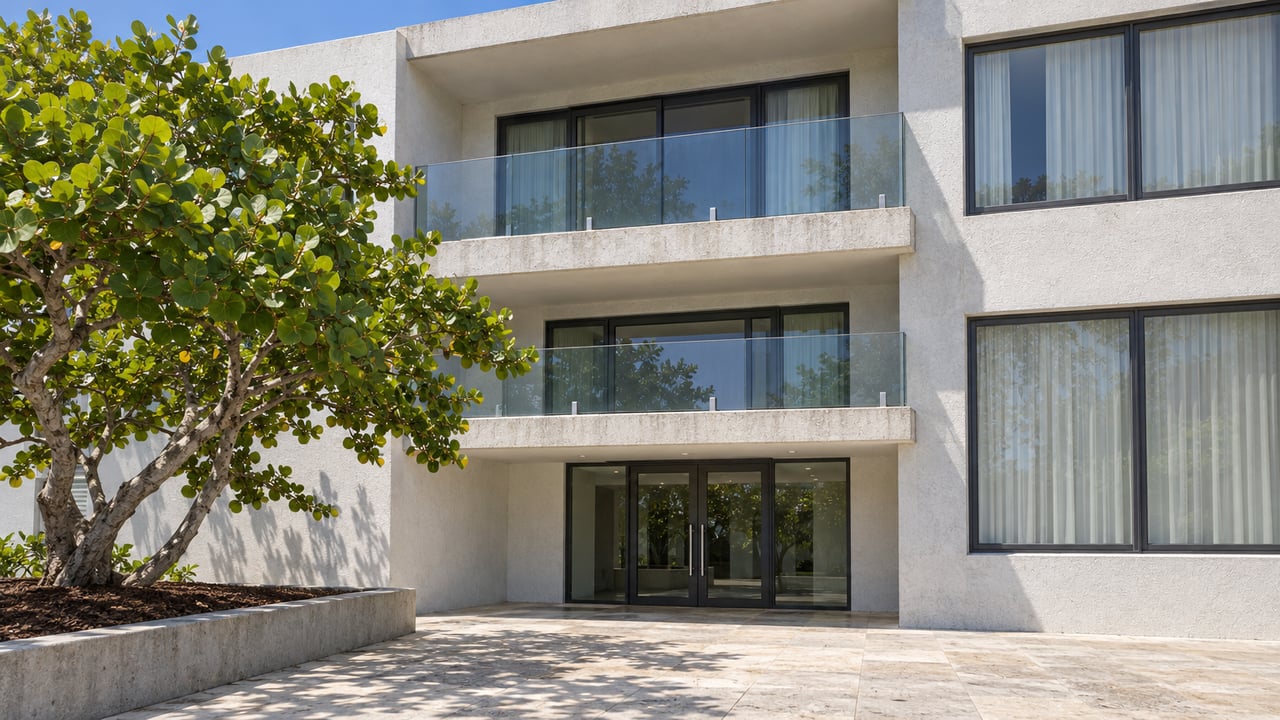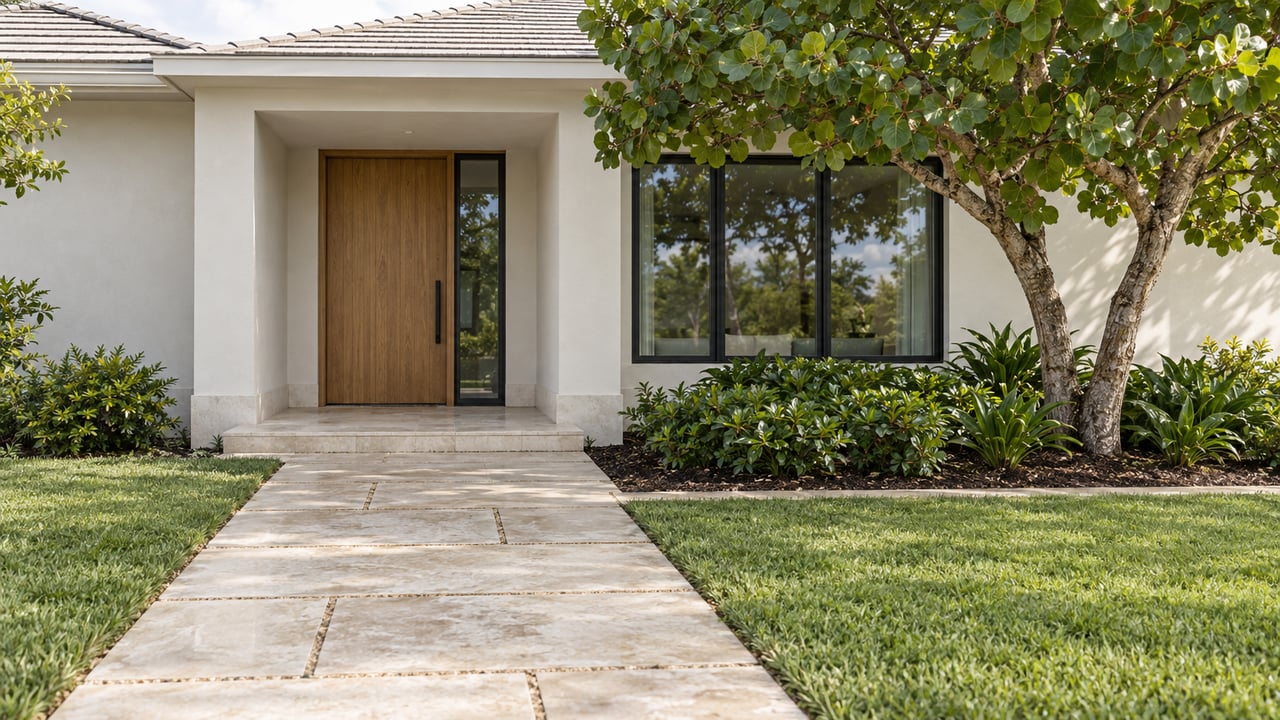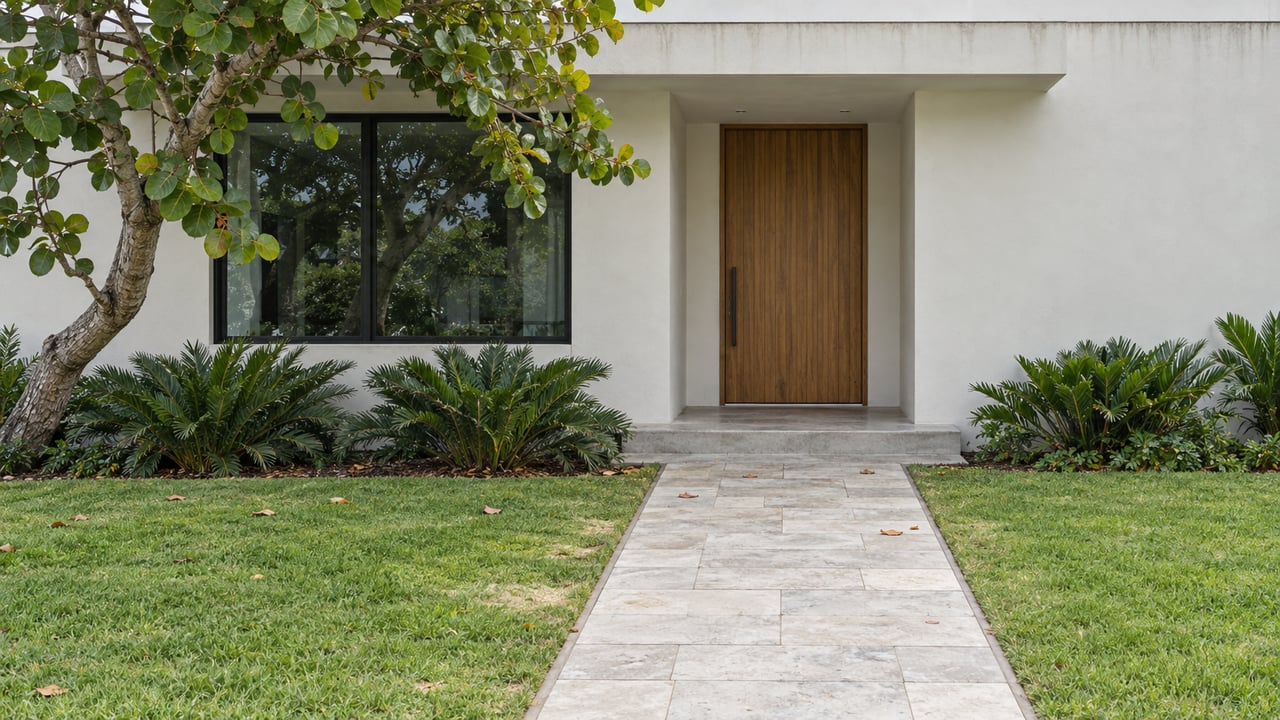
Buying new construction in West Lake can feel simple at first. You pick a lot, choose a floor plan, sign a contract, and wait for the keys. In reality, the path from contract to closing has several moving parts, especially in Escambia County, where permits, floodplain review, inspections, HOA disclosures, and occupancy sign-off can all affect timing. If you want fewer surprises and better control over the process, it helps to know what to verify before you commit and what milestones matter most along the way. Let’s dive in.
Confirm the West Lake permitting path
One of the first things to verify is which local authority handles the parcel. In the West Lake area of Pensacola, permitting may fall under the City of Pensacola or Escambia County, and that difference matters because each jurisdiction has its own review steps and timelines.
The safest move is to confirm jurisdiction before you rely on any checklist from a builder or sales office. That one step can help you ask better questions about approvals, inspections, and expected closing dates.
What local approvals usually come first
For residential new dwellings in the City of Pensacola, zoning and site approval must be approved before a building permit is submitted. In Escambia County, subdivision and site development plans must be approved before a building permit is issued, and an approved Development Order allows plan review at Building Inspections.
For you as a buyer, this means a lot reservation or early contract does not always mean the home is ready to move quickly into construction. Local approvals can still affect when work starts and how reliable the builder’s timeline really is.
Verify lot conditions before signing
Before you commit to a lot or a to-be-built home, ask about three basics: utilities, site constraints, and floodplain status. These details can influence cost, timing, and whether extra documentation will be required before the home can close.
Escambia County’s new-construction permit process is document-heavy. The county may require a plot plan or site plan, two complete sets of building plans, septic or sewer documentation, water tap or water-management documentation, product approvals for roof coverings and exterior openings, a termite-treatment letter, energy forms, and a blower-door certification before a Certificate of Occupancy is issued.
Why floodplain review matters in West Lake
Floodplain review is one of the most important local checkpoints in coastal Escambia County. County guidance says owners should check flood hazard areas before building or altering a property, and the flood maps are used to inform development decisions.
If the property is in a Special Flood Hazard Area, additional documents may be required during construction. These can include a pre-construction elevation certificate with the permit application, an under-construction elevation certificate before framing inspection, and a finished construction elevation certificate before final inspection. V-zones and floodways can require further certifications.
Even if a home is not directly on the water, flood risk should still be taken seriously. Escambia County notes that people do not have to live near water to be susceptible to flooding.
Understand who represents whom
If you tour a model home or speak with an on-site sales representative, do not assume that person represents your interests. Under Florida law, a licensee is presumed to operate as a transaction broker unless a single-agent relationship or no brokerage relationship is established in writing.
A transaction broker provides limited representation, not fiduciary representation. In practical terms, if you want advice and advocacy focused on your side of the deal, it is wise to bring your own agent or at least ask the on-site representative who they represent before you move forward.
Read the builder contract carefully
New-construction contracts do not always work like resale contracts. Timing rules can be form-specific, and Florida contract deadlines may be calculated differently depending on the form being used. Weekends and holidays can also affect performance dates.
A common misunderstanding is the idea that buyers automatically get a three-day cancellation period after signing. Florida Realtors notes that buyers do not get an automatic three-day cancellation right after acceptance unless the contract specifically provides one.
Pay close attention to HOA disclosures
If the home is in an HOA-governed community, Florida law requires a disclosure summary before the buyer signs the contract. If that disclosure summary was not provided before execution, the buyer may void the contract by giving written notice within three days after receiving the summary or before closing, whichever comes first.
That is an important protection, but it is better to review the paperwork early than to rely on a later cancellation option. You want to understand the rules, fees, and community obligations before you are deep into the transaction.
Treat HOA costs as part of the purchase price
HOA and amenity costs should be part of your decision from day one. Under Florida law, assessments or amenity fees are money payable to the association, developer, or owner of common areas or recreational facilities, and unpaid assessments can become a lien.
It is also worth remembering that some associations may levy special assessments when the governing documents and vote requirements allow it. That is why monthly dues alone do not tell the whole story.
Plan for inspections during construction
Many buyers assume a brand-new home does not need independent inspections. That can be a costly mistake. Consumer guidance recommends choosing an independent inspector who is accountable to you and scheduling the inspection as soon as possible.
For new construction, phase inspections can be especially helpful. Florida guidance for buyers notes that inspections may happen at the foundation stage, before drywall, and again at the final punch-out.
A useful inspection timeline
Here is a practical way to think about inspection timing in a new-construction purchase:
- Foundation stage: Helps identify early structural or site-related concerns.
- Pre-drywall stage: Allows review of visible systems before walls are closed.
- Final punch-out: Helps document incomplete items or finish issues before closing.
- 10- to 11-month follow-up: Can be useful because many builders offer a one-year warranty.
This approach gives you more than one chance to spot issues while correction is still manageable.
Do not overlook appraisal and financing steps
If you are financing the purchase, the appraisal still matters even on a new home. Freddie Mac says the lender generally orders the appraisal once the offer is final, and an appraisal contingency can allow renegotiation or a way out if value comes in low.
Inspection protections matter too. Consumer guidance notes that if the purchase contract is contingent on a satisfactory inspection, you may be able to cancel without penalty if serious problems are found. The key is making sure those protections are addressed in writing before you are locked in.
Track local milestones that affect closing
In West Lake, closing is not just about signing papers when the home looks finished. Local occupancy requirements can be the real gatekeeper.
Escambia County says a Certificate of Occupancy or Certificate of Completion is issued only after construction is complete, all re-inspection fees are paid, and all inspections have passed. If that sign-off is delayed, your closing can be delayed too.
Notice of Commencement matters
For work valued at $5,000 or more, Escambia County requires a recorded Notice of Commencement. The county also warns that failing to record it can lead to paying twice for improvements.
You do not need to manage the builder’s paperwork for them, but you do want to know whether all required steps have been handled properly. It is another reason careful transaction management matters in new construction.
Permit validity can affect scheduling
If the lot is within the City of Pensacola, permits are valid for 180 days. Each passed inspection extends the permit another 180 days from the inspection date.
That means construction timing can be influenced not just by labor and materials, but also by permit activity and inspection progress. A home that looks nearly done can still have administrative steps left before it is ready to close.
Prepare for the final walk-through and closing
As the home nears completion, your final walk-through becomes one of the most important checkpoints. Freddie Mac says buyers should request a formal walk-through about 24 hours before closing.
During that walk-through, confirm that agreed repairs were completed, included fixtures and appliances remain in place, and no new damage has occurred. It is your chance to compare the finished home to the contract expectations before funds are released.
Keep closing costs and timing realistic
Freddie Mac says the closing period typically lasts 30 to 45 days, and closing costs often run about 2% to 5% of the loan amount. In a new-construction purchase, though, your schedule may be more conditional than a resale transaction because permit approval, inspections, floodplain documentation, and occupancy sign-off can all shift the timeline.
That is why it helps to plan with flexibility. A calm, organized approach usually works better than treating the builder’s estimated completion date as a fixed promise.
A smart contract-to-closing mindset
The buyers who handle new construction best are usually the ones who stay curious and proactive. They confirm the local permitting path, understand representation, read HOA documents early, schedule independent inspections, and track the occupancy milestones that truly control closing.
In a place like West Lake, that level of diligence can save time, reduce stress, and help you make decisions with more confidence. If you want a detail-driven guide for a new-construction purchase, Daniel Maya offers a confidential, hands-on approach built around careful review, clear communication, and steady support from contract to closing.
FAQs
Can I use my own inspector for a new construction home in West Lake?
- Yes. Consumer guidance recommends choosing an independent inspector who is accountable to you and scheduling the inspection as early as possible.
Do I need an appraisal and an inspection for a financed new construction purchase in West Lake?
- In most financed purchases, yes. The appraisal and inspection serve different purposes, and financing and contract protections may depend on both.
What happens if HOA disclosure paperwork was not provided before I signed a West Lake contract?
- For an HOA-governed community in Florida, if the disclosure summary was not provided before contract signing, you may have the right to void the contract by written notice within three days after receiving the summary or before closing, whichever comes first.
When should the final walk-through happen for a West Lake new construction closing?
- A good target is about 24 hours before closing so you can confirm repairs, included items, and overall condition before the transaction is completed.
What is the biggest timing risk in a West Lake new construction transaction?
- In Escambia County and Pensacola, permit approval, inspections, floodplain documentation, and Certificate of Occupancy or completion sign-off can all affect the closing date.