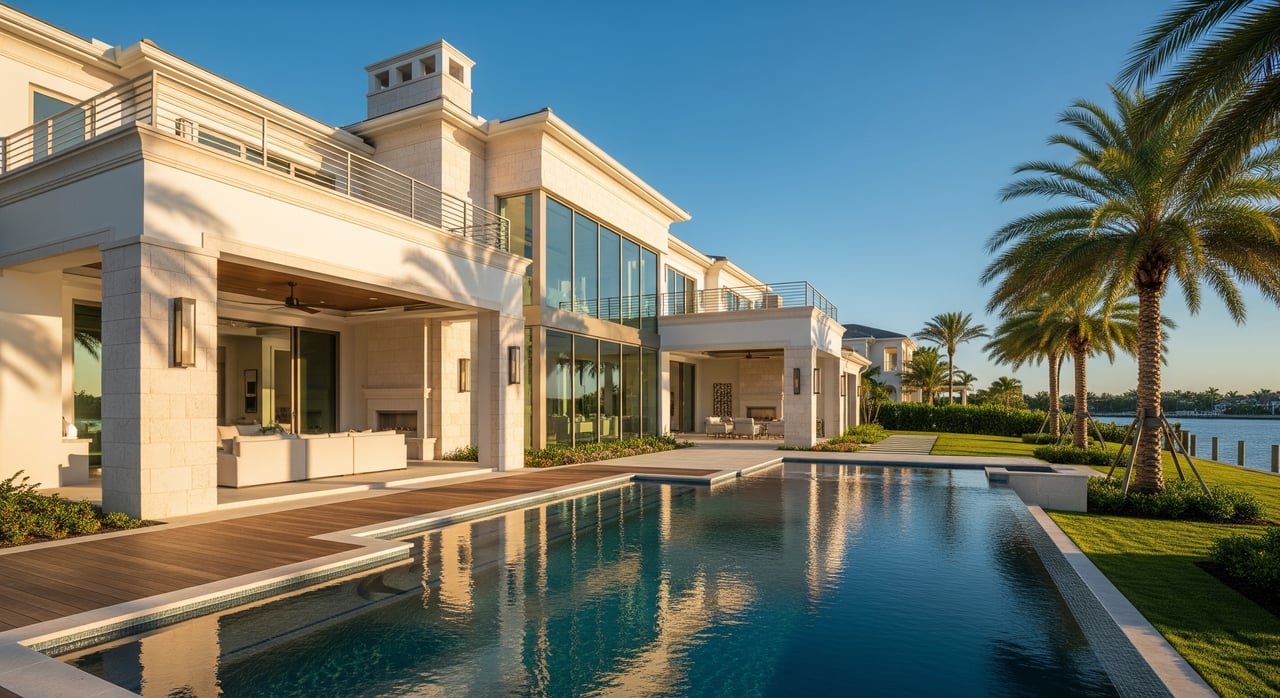
Thinking about building your new home in Avenir? It is an exciting path, but builder contracts, deposits, inspections, and design decisions work differently from resale. You want the home you imagined without cost surprises or missed deadlines. In this guide, you will learn what to expect in Palm Beach Gardens new construction, how to protect your deposit, when to schedule inspections, what warranties usually cover, and how to budget for the design center. Let’s dive in.
Avenir builder contracts: what to expect
New-construction contracts in South Florida do not mirror resale contracts. They focus more on schedules, selections, and change-order rules. Before you sign, make sure you understand how the contract defines the home, the price, and your rights.
Key terms to review closely
- Contracting party and property details. Confirm the legal entity, the lot, plan, elevation, orientation, and a clear exhibit of included finishes.
- Price, allowances, and upgrades. Know what is included versus what is an upgrade. Require itemized pricing and how upgrades are added to the contract price.
- Completion date and delays. Check how completion is defined and whether the builder uses flexible language like “commercially reasonable.” Review delay clauses for weather, material shortages, labor, acts of God, and permitting.
- Remedies and termination. See what happens if the builder misses dates, and what happens if you cannot close. Look for liquidated damages, termination rights, and escrow return language.
- Financing contingency. Many builder contracts limit or remove financing contingencies. Understand your timeline and deposit risk if financing fails.
- Title and survey. Clarify who pays for survey, title insurance, and closing costs, and how encroachments are handled.
- Inspection and access rights. Make your right to independent inspections explicit, with clear milestones and notice.
- Change orders and allowances. Confirm how changes are priced, approved, and scheduled, plus any deposits for upgrades.
- Warranty and dispute resolution. Read warranty terms, exclusions, and any mediation/arbitration clauses carefully.
- HOA and community documents. Review assessments, architectural rules, and any resale or rental restrictions.
Deposit schedules in Palm Beach County
Deposits for new builds are usually higher than resale earnest money and may be staged across milestones.
- Initial deposit at contract. For many production builders, expect around 1% to 5% of the purchase price. Custom or higher-end builds can require 5% to 10% or more.
- Staged deposits. Additional deposits may be tied to permit issuance, slab pour, framing, or pre-drywall. Cumulative pre-closing deposits for high-end or custom homes can reach 10% to 20%.
- Refundability. Some deposits are refundable during a brief contingency period, while others are nonrefundable but credited at closing. Read the refund triggers and deadlines.
- Escrow handling. It is advisable to have deposits held by an independent escrow agent such as a title company or attorney rather than in a builder operating account.
- Liquidated damages. Some contracts allow the builder to keep deposits if you default. Understand default scenarios before you commit.
Protect yourself before signing
Builders often hold leverage on timelines, remedies, and termination rights. You can balance this by negotiating clarity around dates, inclusions, and inspection access. Always have a Florida-licensed real estate attorney review the contract. Contract language and warranty provisions vary, and legal advice protects you before money is at risk.
Inspections: rights and milestones
Municipal inspections are for code compliance. They do not replace a private inspection focused on workmanship, systems, and performance. Put inspection rights into the contract and plan your schedule early.
Must-have inspection stages
- Pre-construction or lot stakeout. Confirm siting, setbacks, and orientation before digging.
- Foundation or slab. Review the foundation before or shortly after the pour when feasible.
- Pre-drywall rough-in. This is critical. Inspect framing, electrical, plumbing, HVAC, and structural details before walls close.
- After systems startup. Verify HVAC startup, water pressure, appliances, and basic performance.
- Final closeout. Complete a full inspection and punchlist before closing.
- Post-occupancy checks. Schedule punchlist reviews within 12 to 30 days after move-in and before warranty windows expire.
Access and logistics
- Contractual rights. Your right to hire independent inspectors at your expense should be explicit, with named milestones and required notice.
- Inspector credentials. Builders may require insured and credentialed inspectors. Confirm requirements early and provide documentation.
- Timing and presence. Ask for clear windows to perform inspections and the right to attend municipal inspections when allowed. Plan for 48 to 72 hours’ notice before pre-drywall and final walkthroughs.
- Documentation. Ask for copies of permits, municipal sign-offs, testing results when applicable, and all product warranties.
Punchlist and completion process
- Formal punchlist. Require a written punchlist at final walkthrough and a defined timeline to complete items.
- Holdbacks. Some contracts allow escrow holdbacks for unresolved issues. Confirm whether your lender permits holdbacks and how they interact with closing.
- Remedies. Clarify what happens if items are not completed by the agreed date.
Warranties: what is covered and how to use them
Most new-home warranties have tiers of coverage. The exact coverage and definitions vary by builder and warranty administrator, so review the documents early.
Common warranty structure
- 1-year coverage. Workmanship and materials such as finishes, paint, trim, and installation quality.
- 2-year coverage. Systems and mechanical components like electrical, plumbing, and HVAC.
- 10-year coverage. Major structural components such as load-bearing elements and roof framing.
What is usually included and excluded
- Coverage. Defects in workmanship, defective materials installed by the builder, and certain structural failures.
- Exclusions. Normal wear and tear, damage from lack of maintenance or alterations, cosmetic issues beyond a reasonable standard, acts of God such as hurricanes or flooding, and items installed by the buyer after closing.
- Manufacturer warranties. Appliances, roofing materials, windows, and HVAC often carry separate manufacturer warranties. Learn how these coordinate with the builder’s warranty.
Start date, claims, and records
- Start date. Coverage often begins at closing or at the certificate of occupancy. Confirm dates in writing.
- Claims process. Expect written notice, inspection by a warranty administrator, and a scheduled repair plan. Timely notice is usually required.
- Documentation. Keep photos, dates, and communications, plus your permits, approvals, contract, upgrade receipts, and all warranty forms.
Practical warranty tips
- Request the full warranty documents early and review exclusions and claim steps before closing.
- Confirm who administers the warranty and how to file claims.
- Plan quick checkups during warranty windows, such as at 30 days, 11 months, and near the end of structural coverage.
Design center budgeting and change orders
Selections are exciting and can move fast. Costs can also add up quickly if you are not prepared.
Allowances versus upgrades
- Allowances. Builders often provide dollar limits for categories like cabinets and countertops. These cover base options.
- Upgrades. Choosing higher-end items increases the price. Include sales tax and installation in your math.
- Common pitfalls. Underestimating upgrade totals, not confirming lighting or fixture counts, and assuming model-home features are standard.
- Budget cushion. Set a contingency of about 10% to 20% above allowances for selections.
- Lead times. Long-lead items such as cabinets, appliances, custom tile, and windows can delay completion. Make selections early and confirm timelines.
Change orders: cost and schedule effects
- Written orders only. Every change should be itemized, signed, and priced with tax and payment terms. Include the schedule impact.
- Pricing clarity. Some builders add markups to vendor-installed upgrades. Ask for a breakdown when appropriate.
- Schedule impact. Require the contract to state how change orders shift completion and closing dates.
Financing and lien protection
- Funding upgrades. Confirm whether your lender will include upgrades in the loan or require out-of-pocket payment. Some changes need appraisal updates.
- Lien risk. Clarify who pays vendors and how lien waivers are handled so subcontractors are paid and cannot file liens.
A practical Avenir build timeline
Actual timing varies with permitting, HOA approvals, design selections, weather, and supply chains. Here is a typical flow you can use for planning:
- Pre-sales research and lot selection: days to weeks.
- Contract to permit issuance: 0 to 30 to 90 days, depending on readiness and approvals.
- Design-center selections: within 15 to 60 days after contract, with strict deadlines.
- Permit or groundbreaking to slab: 2 to 8 weeks.
- Framing to rough-ins and pre-drywall: 4 to 12 weeks.
- Mechanical, insulation, drywall, and finishes: 8 to 20 weeks.
- Final inspections, certificate of occupancy, walkthrough, and closing: 1 to 4 weeks after final approvals.
- Overall window: many production homes complete in 6 to 9 months; larger or custom homes often take 9 to 18 months. Seasonal weather and permit backlogs can extend these windows in South Florida.
Buyer checklist: questions to ask
Use these questions to keep your build on time, on budget, and well protected.
Contract and deposits
- Who is the exact contracting entity, and where are deposits held?
- What is the full deposit schedule, and which portions are refundable?
- What items are included in writing, and what shown in the model is an upgrade?
- How are lot premiums, impact fees, and price adjustments handled?
- Is there a financing contingency, and what happens if financing fails?
- Does the contract include liquidated damages or builder termination rights for buyer default?
Schedule, delays, and remedies
- What is the estimated completion date, and how is it defined?
- Which events excuse builder delays, and what remedies do you have if dates are missed?
- How are weather and supply delays handled during hurricane season?
Inspections and access
- Can you hire independent inspectors at pre-drywall and final stages, and what notice is required?
- Will the builder share municipal inspection reports and permits, and can you attend when allowed?
Warranties and claims
- Can you see the exact warranty documents now, including start dates and exclusions?
- Who administers warranty claims, and what are the steps and timelines?
Design center and change orders
- What are the allowance amounts by category, and how are overages priced?
- Who installs upgrades, and how are vendors paid to avoid liens?
- How do change orders affect price, schedule, and lender approval?
HOA, title, closing, and insurance
- Can you review HOA documents, assessments, and architectural rules?
- Who orders title and survey, and what fees will you pay?
- What is the flood zone determination, insurance requirement, and elevation documentation if applicable?
Final walkthrough and closeout
- What is the punchlist process and cure timeline after closing?
- Will you receive manuals, product warranties, and maintenance guidance at closing?
- What happens if you cannot close on the scheduled date?
Red flags to escalate to your attorney
- Large nonrefundable deposits with limited buyer protections.
- Vague completion dates and unlimited builder extensions.
- No right to independent inspections or strict prohibitions on third-party inspectors.
- Mandatory binding arbitration with extreme limits on remedies.
- Change-order terms that allow unilateral pricing or lack signed documentation.
- Ambiguous or short structural warranty with limited recourse.
Next steps
Building in Avenir should feel exciting and well managed. With a clear contract, staged inspections, smart design budgeting, and documented warranty coverage, you can protect your investment and enjoy the process. If you want a detail-driven advocate to coordinate inspections, keep your deposit protected, and manage the many moving parts from contract to keys, connect with Daniel Maya for a confidential consultation.
FAQs
What makes Avenir new-construction contracts different from resale?
- New-build contracts emphasize schedules, selection deadlines, change orders, and builder delay rights, and often limit financing contingencies compared with resale.
How much deposit is typical for a new build in Palm Beach Gardens?
- Initial deposits commonly range from about 1% to 5%, with staged deposits that can bring totals to 10% to 20% for higher-end or custom builds.
Can you hire your own inspector during construction?
- Yes, if your contract allows it; make inspection rights explicit with milestones like pre-drywall and final, plus notice and credential requirements.
Do municipal inspections replace private inspections?
- No; municipal inspections focus on code, while private inspectors review workmanship, systems performance, and manufacturer requirements.
What does a 1-2-10 warranty usually cover?
- Typically, 1 year for workmanship, 2 years for systems like electrical and plumbing, and 10 years for structural components, subject to the specific warranty terms.
How do design-center upgrades affect closing and financing?
- Upgrades can raise price and extend timelines; confirm whether your lender will include changes in the loan or require out-of-pocket payment.
What happens if the builder misses the estimated completion date?
- That depends on your contract; review delay clauses for excused events and buyer remedies such as liquidated damages or termination rights.
Are deposits refundable if your financing falls through?
- Refundability varies; many builder contracts limit financing contingencies, so read the refund triggers and timelines before signing.